


Rethinking “Fake Plants” In An Era Of Sustainable Interiors
As priorities shift toward sustainability in interior design, artificial greenery has undergone a remarkable transformation. No longer limited to outdated plastic replicas, today’s faux botanicals offer a compelling, long-term solution that aligns with ecological values. Modern artificial plants are crafted with durable materials, which extends their lifespan and lessens the continual consumption of water, fertilizer, and transport resources linked to live plants. In urban environments, offices, and commercial properties where fluctuating temperatures, low light, or frequent occupancy changes complicate plant care, artificial greenery brings the soothing impact of nature into otherwise challenging spaces. Thoughtfully integrated, faux foliage supports biophilic design principles, providing lasting aesthetic value while relieving pressure on ecosystems by reducing the demand for certain vulnerable plant species. Its versatility makes it a viable piece of a broader, authentic sustainability strategy rather than a temporary fix.
Low-Light And High-Traffic Spaces That Benefit From Faux Foliage
Live plants thrive with appropriate care, but some interiors simply aren’t suited to their needs. Dimly-lit corridors, windowless offices, and deep, interior spaces struggle to nurture even the hardiest green species. In these conditions, artificial greenery becomes a pragmatic and resource-efficient choice. In high-traffic hospitality settings—such as hotels, lobbies, and busy cafes—plants encounter ongoing stress from movement, touch, and variable climates. Constantly replacing live greenery not only generates waste but can prove dispiriting for staff and guests. Well-made artificial plants, by contrast, maintain a vibrant, healthy appearance year-round. Their consistent presence offers psychological benefits, boosting well-being and morale, while reducing water and supply use. By pairing faux foliage with authentic textures like timber and natural textiles, designers create balanced environments that express sustainability without excessive resource demand.
Vertical Gardens, Acoustic Zoning, And Biophilic Wayfinding
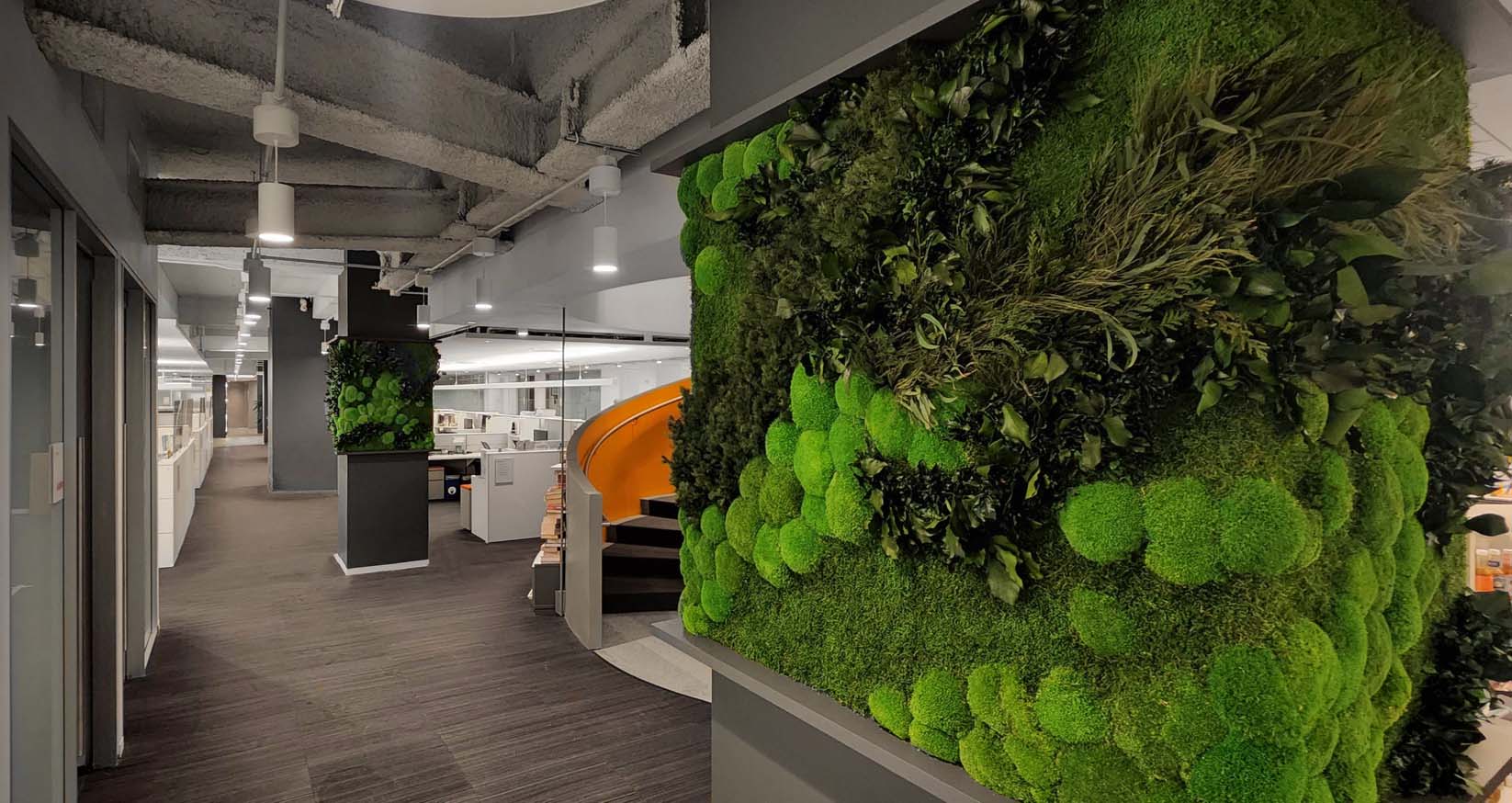
Artificial greenery’s adaptability excels in multifunctional applications, particularly vertical installations that transcend simple decoration. Faux green walls soften sterile surfaces and balance open-plan layouts, while also doubling as informal acoustic panels in office and hospitality spaces dominated by hard materials. Designers employ these features as visual guides, subtly directing movement or demarking boundaries between public and private zones. In co-working hubs and home offices, compact wall gardens frame concentration areas without occupying usable floor space, supporting flexible design layouts. The longevity of artificial installations supports reconfiguration and reuse, aligning with circular strategies aimed to minimize waste. These design interventions transform faux greenery into a modular, evolving feature—an asset that continues to serve as spatial needs evolve, without the disposable nature typically associated with seasonal live plants.
Maintenance, Materials, And Healthy Indoor Environments
One of the most compelling attributes of artificial greenery—in terms of sustainability—is its low-maintenance profile. Faux plants require no watering, fertilizer, or pest management, which translates to reduced chemical input and smaller resource footprints in large-scale designs. For people with allergies or sensitivities—especially in sealed, ventilated environments—artificial foliage eliminates concerns about soil molds or pollens, offering healthier indoor conditions. Thoughtful material selection remains important, as durability extends the useful life and environmental value of faux greenery. High-quality pieces minimize the need for frequent replacement, and regular dusting helps preserve aesthetics and indoor air quality. As material science advances, the industry is moving toward more non-toxic pigments and recyclable substrates, encouraging designers and specifiers to seek responsibly made artificial options. Those interested in exploring superior, sustainable faux greenery solutions can find a wide selection at fauxnatural.com, a resource for high-grade products that support both design goals and ecological mindfulness.

Dilawar Mughal is an accomplished author with a passion for storytelling. His works span various genres, from thrilling mysteries to heartfelt romance novels. With a keen eye for detail and a knack for character development, Sana Fatima weaves engaging narratives that captivate readers and transport them to new worlds.