





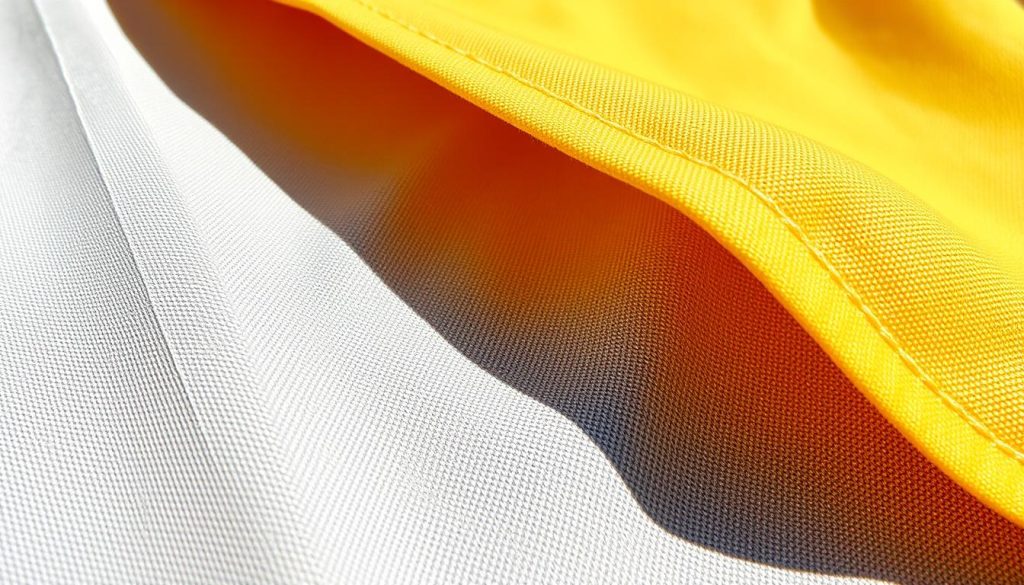
Flags are among the most exposed forms of visual communication. Positioned high, fully open to the elements, and constantly in motion, they face conditions that many other display materials never encounter. Wind, rain, UV exposure, and repeated movement all place stress on the fabric, the print, and the finish. For a flag to perform well over time, its material must be engineered with durability and resilience at its core.
This article explores how flag materials are designed for long-term outdoor use and what makes them suitable for demanding environments.
The Unique Demands Placed on Flag Materials
Unlike static signage, flags are dynamic by nature. They move continuously, flexing and folding in response to the wind. This repeated motion creates friction within the fabric and places strain on fibres, seams, and printed areas.
At the same time, flags are fully exposed to sunlight, moisture, airborne pollution, and temperature changes. Without the right material properties, this combination can quickly lead to fading, fraying, or tearing.
To withstand these pressures, flag materials are engineered differently from standard banner or display fabrics.
Lightweight Construction With High Strength
One of the most important design principles in flag materials is achieving strength without excessive weight. Heavier fabrics may seem more durable, but they can increase wind resistance, placing additional stress on fixings and edges.
Purpose-designed flag materials use tightly woven fibres that offer high tensile strength while remaining lightweight. This allows the flag to move freely in the wind rather than resisting it, reducing the risk of tearing and extending the lifespan of both the fabric and the mounting hardware.
Breathability and Wind Performance
Airflow plays a crucial role in long-term performance. Flag fabrics are engineered to allow some air to pass through the weave, preventing excessive pressure build-up during strong winds.
This breathability helps reduce strain at stress points such as the leading edge and attachment areas. It also contributes to smoother movement, which limits aggressive snapping and reduces fabric fatigue over time.
Print Compatibility and Visual Longevity
Outdoor flags must maintain visual clarity as well as structural integrity. Materials used for flags are developed to accept inks effectively, ensuring strong colour penetration and sharp definition.
Special attention is given to how inks bond with the fibres so that prints remain vibrant despite prolonged UV exposure. This helps prevent premature fading and ensures the message remains legible and professional throughout the flag’s service life. Choosing a flag material for printing that balances print quality with outdoor resilience is essential for long-term visibility.
UV Resistance and Weather Protection
Sunlight is one of the most damaging factors for outdoor materials. Flag fabrics are often treated or manufactured with UV-resistant properties that slow colour degradation and fibre breakdown.
In addition to UV exposure, flags must cope with rain and humidity. Materials are designed to dry quickly, reducing the risk of mould, staining, or weakening of fibres caused by prolonged moisture retention.
Reinforced Edges and Stress Zones
Engineering a durable flag is not just about the fabric itself. Edges, hems, and attachment points are reinforced to manage the highest stress areas. These zones experience the most movement and friction, particularly along the leading edge, where wind force is strongest.
By strengthening these areas, flag materials are better equipped to withstand long-term use without fraying or tearing.
Consistent Performance Across Repeated Use
Many flags are installed, removed, and reinstalled multiple times. Quality flag materials are designed to tolerate folding, packing, and redeployment without cracking, creasing, or losing shape.
This repeat-use capability is particularly important for businesses, events, and organisations that rely on flags as part of rotating or seasonal displays.
Why Material Engineering Matters
A flag is often one of the most visible representations of a brand or message. When materials fail, the impact is immediate and noticeable. Faded colours, torn edges, or distorted shapes can undermine credibility and reduce effectiveness.
By engineering flag materials specifically for long-term outdoor use, manufacturers ensure that flags remain functional, attractive, and reliable even in challenging conditions.
Understanding how these materials are designed helps businesses and specifiers make informed choices. With the right fabric selection, flags can deliver consistent visibility and performance long after installation, standing up to the elements while continuing to communicate clearly.

Dilawar Mughal is an accomplished author with a passion for storytelling. His works span various genres, from thrilling mysteries to heartfelt romance novels. With a keen eye for detail and a knack for character development, Sana Fatima weaves engaging narratives that captivate readers and transport them to new worlds.