




Key Takeaways
- Simple maintenance can extend a standard water heater’s life from 8-12 years to up to 20 years with diligence.
- Necessary maintenance steps include flushing the tank, checking the anode rod, and keeping the temperature set correctly.
- Managing hard water in your home reduces wear and sediment buildup in your water heater.
Table of Contents
- Understanding Your Water Heater
- Regular Maintenance Tasks
- Addressing Hard Water Issues
- Professional Inspections
- Energy Efficiency Tips
- Conclusion
A well-maintained water heater not only ensures an uninterrupted flow of hot water in your home but also protects your investment by boosting appliance longevity and performance. Regular care keeps your water heater efficient, deters unexpected failures, and minimizes costly fixes over time. For homeowners aiming for reliability and peace of mind, staying on top of water heater maintenance is essential. If you’re searching for reliable water heater repair in Hallettsville, TX, regular servicing can help you avoid emergencies and maximize your unit’s lifespan.
Most water heater manufacturers recommend an annual inspection or routine checkup. Many neglect these small yet essential services, leading to premature replacements. Simple tasks performed regularly can extend your water heater’s lifespan, reduce utility bills, and help catch minor issues before they become significant problems. Neglect and deferred maintenance inevitably shorten the useful life of any appliance, including your water heater. By following the recommended upkeep outlined below, you can save money and avoid inconvenient breakdowns.
Understanding Your Water Heater
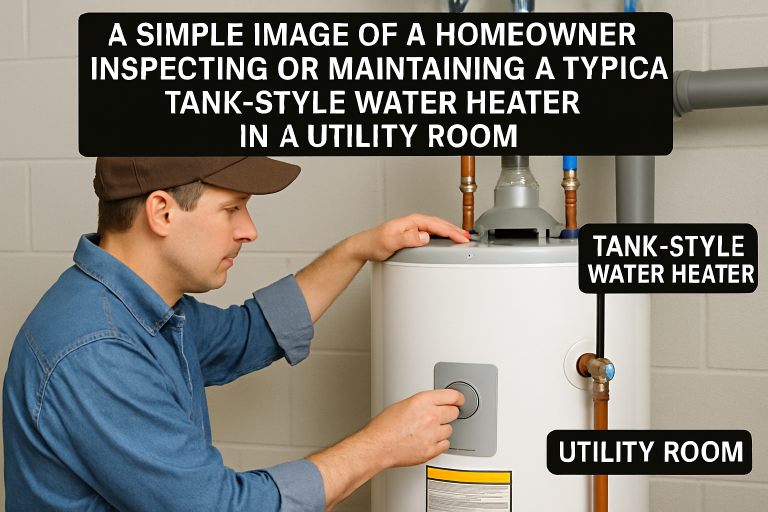
Most traditional water heaters, whether tank-style or tankless, serve homes efficiently for 8 to 12 years when moderately maintained. Exceptional care, such as regular flushing or timely repairs, can allow units to operate reliably for two decades. Factors like the type of heater, the quality of installation, the volume of daily use, and, especially, your local water quality play significant roles in longevity. Hard water, in particular, accelerates corrosion and sediment buildup, reducing efficiency and service life.
Knowing your water heater’s make, age, and how it functions can help you anticipate common issues and address them before they escalate. Learn when your unit was installed and regularly check for leaks, temperature irregularities, and odd noises, all of which can indicate developing problems. Consult your user manual or the manufacturer’s website better to understand your model’s specific needs and maintenance intervals.
Regular Maintenance Tasks
Consistent attention to a few core tasks can prevent over 90% of water heater issues. Here’s what experts recommend:
- Flushing the Tank: Over time, minerals and sediment accumulate inside tank-style heaters, reducing capacity and straining components. An annual tank flush removes this buildup, improving efficiency and reducing wear on the system. The EPA’s Home Maintenance Guide provides detailed instructions on this process.
- Inspecting the Anode Rod: The anode rod attracts corrosive elements, preventing rust inside the tank. Inspect it yearly and replace it when it is noticeably corroded. This inexpensive part is critical for prolonging tank life.
- Testing the Pressure Relief Valve: This valve is the safety device that releases pressure if it becomes excessive. Once a year, gently lift the lever to ensure water flows smoothly. Any leaks or blockages should be addressed immediately.
- Setting the Correct Temperature: Keeping the thermostat at or just below 120°F prevents overheating, reduces mineral scaling, and helps avoid burns while saving energy.
Addressing Hard Water Issues
Hard water is a frequent culprit behind shortened water heater lifespans. Minerals in hard water settle as sediment in the tank, leading to overheating, reduced efficiency, and early failure. Consider installing a water softener to filter minerals before they enter your home’s pipes and water heater, helping minimize maintenance and performance issues. Regular inspection and flushing are essential in areas with hard water, as recommended by publications such as Angi’s Maintenance Guide.
Professional Inspections
While many homeowners are comfortable with simple maintenance, a professional inspection provides peace of mind that your system is performing safely and efficiently. Plumbers typically check the proper function of the heating element, thermostat accuracy, and operational safety valves. During an annual inspection, technicians also verify venting, combustion, and airflow. These visits can identify unseen leaks or corrosion and ensure all manufacturer warranties remain valid. For tankless models, professional descaling is especially important.
Energy Efficiency Tips
Efficient operation not only extends your water heater’s lifespan but also cuts monthly utility costs. Wrapping your tank in an insulating blanket, available at hardware stores, reduces standby heat loss. This is especially beneficial for heaters located in unconditioned garages or basements. Installing a timer to automatically power down your heater during extended periods of low demand prevents unnecessary energy use. Turning down the temperature slightly, especially when on vacation, also contributes to long-term savings. These steps minimize wear on the water heater and reduce the water heater’s environmental footprint.
Conclusion
Regular water heater maintenance adds value by extending appliance lifespan and improving daily performance. Tasks such as flushing the tank, inspecting the anode rod, and properly setting the temperature can be performed by most homeowners. Addressing hard water, scheduling professional checkups, and focusing on energy efficiency all contribute to smooth operation, lower bills, and lasting peace of mind. Dedicate a little time each year to preventive care for your water heater, and your household will enjoy hot water reliably for many years to come.

Dilawar Mughal is an accomplished author with a passion for storytelling. His works span various genres, from thrilling mysteries to heartfelt romance novels. With a keen eye for detail and a knack for character development, Sana Fatima weaves engaging narratives that captivate readers and transport them to new worlds.