




Key Takeaways
- Advancements in window tinting technology enhance comfort, safety, and energy efficiency.
- Innovations such as nanoceramic and graphene-infused films offer superior heat rejection and durability.
- Smart tint technologies provide adaptive shading, improving visibility and privacy.
- Eco-friendly materials and sustainable practices are becoming prevalent in the industry.
Introduction
In recent years, automotive window tinting has undergone a technological transformation that goes far beyond style alone. For drivers in warm climates, innovative solutions such as ceramic coating for cars in Boca Raton, FL, provide not only a sleek appearance but also advanced performance benefits. These new advancements in tinting technology are enhancing comfort, increasing safety, and delivering notable gains in energy efficiency, all of which improve the day-to-day driving experience.
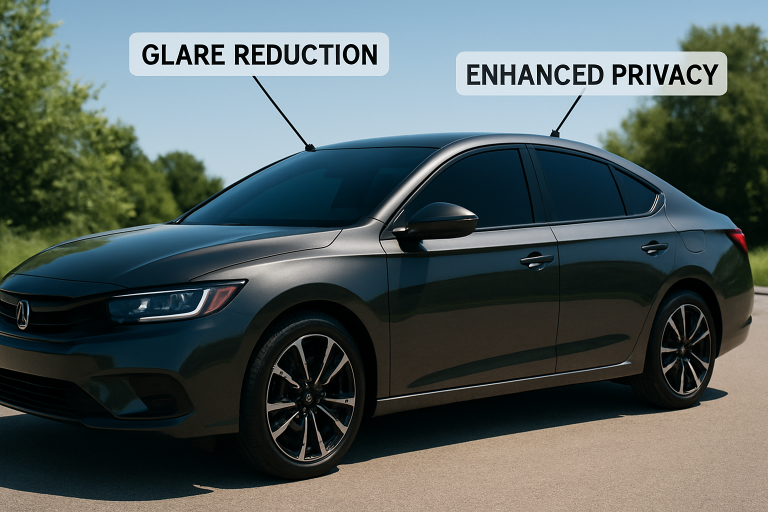
The evolution from traditional tint films to nano-ceramic and graphene-infused products marks a substantial leap forward. Drivers today expect more than just glare reduction; they seek protection from ultraviolet rays, greater privacy, and a cooler car cabin, regardless of the weather. As window tinting becomes more sophisticated, manufacturers and installers alike are exceeding these expectations.
As automotive window tinting becomes a common upgrade for vehicle owners seeking better living conditions inside their vehicles, drivers are looking for solutions that go beyond surface-level improvements. Modern tints blend science and sustainability with functional design choices, ensuring that resistance to environmental challenges and daily use is as much a part of the product as its visual appeal.
Alongside comfort and efficiency, today’s drivers value materials that maintain interior protection and appearance over many seasons. This shift in consumer demand has spurred rapid industry progress, drawing on advanced materials and new application techniques to meet the diverse needs of drivers.
For those who prefer localized solutions, searching for automotive ceramic coating near me can help connect with nearby experts offering these advanced technologies and professional installations.
Advancements in Window Tinting Technology
Window tinting technologies have rapidly evolved in both form and function. Nano-ceramic films represent a breakthrough for drivers who want more than just darkness on their windows. These films integrate microscopic ceramic particles that are invisible to the naked eye yet highly effective at blocking ultraviolet (UV) and infrared (IR) rays. Blocking up to 99 percent of UV rays, nano-ceramic films help keep vehicle interiors cooler and protect people from harmful solar radiation. The reduced heat makes driving on sunny days safer and more pleasant, an important consideration given the increasing frequency of extreme heat events globally.
Another recent innovation is the introduction of graphene-infused films. Graphene, known for its exceptional strength and superior thermal conductivity, improves both the performance and lifespan of automotive tints. With these materials, drivers benefit from fast heat dissipation and enhanced durability, increasing the tint’s value and offering longer-lasting protection for the car’s interior surfaces.
Smart Tint Technologies
Beyond material science, adaptive smart tints are revolutionizing how drivers experience their vehicle on the road. Electrochromic glass is a noteworthy example, allowing the window’s darkness to be adjusted in real time with electrical signals. This means a driver can darken their windows at the press of a button or let in more light when preferred, increasing overall visibility and comfort no matter the conditions outside.
For those who prefer automatic changes, photochromic films provide a seamless experience. These films darken automatically when the sun is bright and lighten when conditions become cloudy or dim. This technology ensures uninterrupted adaptability, effectively managing glare and maximizing privacy without the need for manual adjustments or power use.
Safety and Privacy Enhancements
Modern window tints focus as much on safety and privacy as on thermal performance. Reducing glare from the sun and headlights directly impacts visibility and reaction time, which are vital for avoiding accidents and reducing eye strain during long drives or night journeys. By improving the driver’s field of view, these tints enhance overall road safety.
High-quality tints give reliable UV protection, guarding both passengers and interior surfaces from damage and fading. Over time, this reduces maintenance costs and preserves the vehicle’s value. Privacy is another significant advantage: tinted windows obscure the view into the car, providing reassurance to drivers that personal belongings and valuables are less visible to prying eyes. Enhanced privacy and safety measures have become increasingly popular as consumer awareness and concern for everyday security grow.
With the growing popularity of tinted windows, organizations like the National Highway Traffic Safety Administration offer guidance on best practices to maintain both safety and legal compliance.
Energy Efficiency and Environmental Impact
Automotive window tinting solutions play a vital role in improving vehicle energy efficiency. By blocking large portions of the sun’s heat, modern tints reduce the need for air conditioning and, by extension, the demand for fuel or electrical consumption. Even a modest improvement in interior cooling can yield considerable cost savings and lower greenhouse gas emissions, making it a win-win for drivers and the environment.
The industry’s move toward sustainable manufacturing is equally significant. Innovative companies have implemented eco-friendly tint materials and greener production processes, reflecting a broader cultural shift toward environmental responsibility within the automotive sector.
Regulatory Considerations
While advancements in window tinting offer compelling benefits, vehicle owners must comply with local regulations on film darkness and reflectivity. State and municipal laws exist to ensure that tints do not impair outward visibility or pose safety risks to law enforcement and other motorists. Failing to comply with these laws can result in fines and unnecessary inconvenience, so it is crucial for drivers to stay informed about what is permitted. Automotive window tinting has expanded well beyond cosmetic upgrades. With modern technologies, comprehensive safety features, and a focus on sustainability, today’s window tints deliver tangible improvements in comfort, protection, and energy efficiency for drivers. As the industry continues to innovate, car owners can expect even greater improvements, making window tinting a practical investment for the future.

Dilawar Mughal is an accomplished author with a passion for storytelling. His works span various genres, from thrilling mysteries to heartfelt romance novels. With a keen eye for detail and a knack for character development, Sana Fatima weaves engaging narratives that captivate readers and transport them to new worlds.