



Table of Contents
- Construction Industry
- Marine and Offshore Operations
- Manufacturing Sector
- Transportation and Logistics
- Energy Sector
- Healthcare Applications
- Sustainability and Environmental Impact
- Conclusion
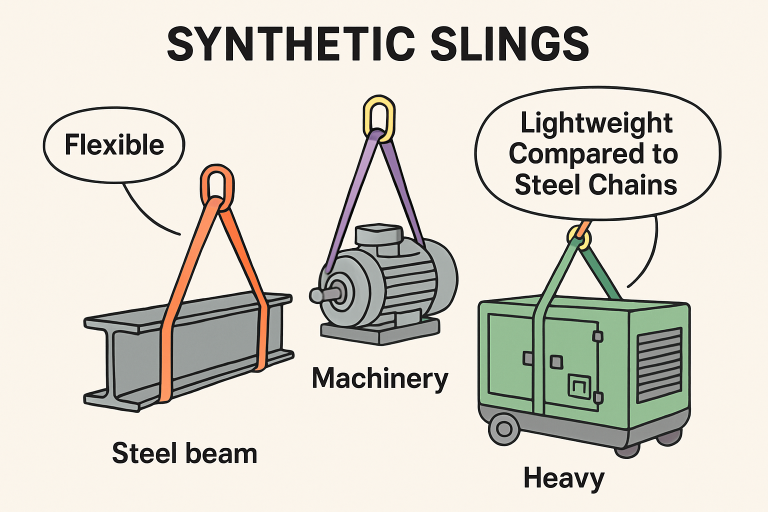
Synthetic slings have reshaped the landscape of industrial lifting and rigging, offering optimized solutions to industries that demand both strength and adaptability. Their lightweight, flexible, and exceptionally durable design makes them a preferred option over traditional steel cables and chains. Whether you are seeking the benefits of synthetic slings Fort Smith or watching global trends, synthetic slings set a new standard for safety and efficiency in modern operations.
Across construction, energy, transportation, and healthcare, synthetic slings serve pivotal roles. Their non-corrosive properties, resistance to abrasion, and ability to conform to delicate or irregularly shaped loads reduce the risks associated with heavy lifts. As industries increasingly focus on streamlining workflow and protecting workers, synthetic slings continue to prove indispensable.
The transition away from traditional lifting equipment toward synthetic options isn’t just about weight; it’s about leveraging innovation. With advancements in polymer science, these slings last longer under harsh conditions, providing significant cost savings and reducing injury rates for industrial teams. The versatility and performance of synthetic slings make them a crucial component across diverse sectors.
Construction Industry
Construction sites demand robust lifting solutions that ensure personnel safety and the integrity of building materials. Synthetic slings, with their impressive strength-to-weight ratio, support the safe movement of steel beams, concrete elements, and fragile glass panels. Along with reducing manual strain and accident rates, they are gentle on surfaces, helping to prevent damage during the lifting of finished surfaces and sensitive assemblies. This softness and flexibility are especially useful when working with polished stone, tiles, and specialty architectural materials commonly used in modern construction projects.
Marine and Offshore Operations
The harsh environment of marine and offshore work presents unique challenges. Saltwater corrosion, extreme moisture, and unpredictable weather require lifting gear that withstands constant exposure. Synthetic slings, particularly those with water-resistant coatings or made from advanced fibers like Dyneema and polyester, are naturally buoyant and resist both rot and corrosion.
Manufacturing Sector
Manufacturing operations are often fast-paced, with heavy machinery and oversized components moving in and out of production lines. Synthetic slings’ unique combination of pliability and strength enables operators to handle and position parts precisely, boosting workflow efficiency. According to OSHA, proper handling and inspection of synthetic web slings are essential to ensure worker safety and prevent equipment damage. The use of non-conductive fibers is crucial when working near electrical systems or sensitive electronics, helping safeguard workers from potential electrical hazards. Their capacity to fit securely around both flat and cylindrical objects makes them a versatile addition to any plant floor.
Transportation and Logistics
Securing cargo is a top priority in logistics. Synthetic slings are increasingly favored for their ability to wrap securely around awkward shapes while evenly distributing the load, reducing the risk of shifting during transit. This increases load stability and lessens the likelihood of cargo-related accidents. Their lighter weight compared to chain or wire options also translates to better fuel efficiency on over-the-road hauls, a critical concern for logistics companies looking to cut operational costs and emissions.
Energy Sector
From installing wind turbines to maintaining solar farms, the energy industry relies on synthetic slings to safely handle heavy, fragile, and irregularly shaped components. These slings streamline the setup and maintenance of renewable energy infrastructure while enduring the repeated, rotational stresses typical of wind or hydropower operations, reducing the need for frequent replacements and minimizing downtime. The U.S. Department of Energy notes that the expansion of wind and solar projects is driving greater demand for dependable lifting solutions. By protecting costly equipment from damage, synthetic slings help teams stay on schedule and control costs. As renewable energy development continues to grow, the importance of durable, high-performance lifting tools like these becomes even more pronounced.
Healthcare Applications
In healthcare, synthetic slings are gaining ground in patient transfer and rehabilitation systems. Their soft, flexible construction not only boosts patient comfort but also protects sensitive skin from pressure ulcers or abrasions during transfers. With innovations such as soft robotic slings—programmable in shape and movement—caregivers can safely manage even complex patient lifts, improving care outcomes.
Sustainability and Environmental Impact
Modern industry is embracing sustainability, and synthetic slings are leading the way. High-performance materials like ultra-high-molecular-weight polyethylene combine longevity with environmental responsibility. They resist UV degradation, chemicals, and repeated flexing, extending service life by up to 400% compared with many traditional options—significantly reducing landfill impact and overall resource consumption.
Conclusion
The evolution of synthetic slings signals a new era for industrial lifting and rigging. By combining strength, safety, adaptability, and sustainability, these advanced materials are reshaping work across construction, energy, transportation, marine, and healthcare sectors. Continued innovation in fiber science and design promises even broader applications ahead, cementing synthetic slings as essential tools in the toolkit of forward-thinking industries worldwide.

Dilawar Mughal is an accomplished author with a passion for storytelling. His works span various genres, from thrilling mysteries to heartfelt romance novels. With a keen eye for detail and a knack for character development, Sana Fatima weaves engaging narratives that captivate readers and transport them to new worlds.