


Key Takeaways
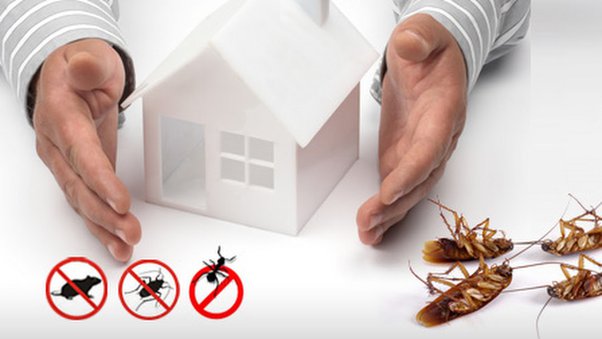
- Household pests like ants, rodents, and cockroaches thrive in areas with food, moisture, and shelter.
- Sealing entry points is a critical first step in preventing pest infestations.
- Cleanliness and proper food storage significantly reduce pest attraction.
- Moisture control helps eliminate ideal breeding conditions for many insects and rodents.
- Natural repellents can support prevention but work best as part of a broader strategy.
- Integrated Pest Management (IPM) offers a balanced, long-term approach to pest control.
- Smart home technologies can help detect and monitor pest activity early.
- Persistent infestations may require professional intervention for safe and effective resolution.
Managing household pests is a challenge that most homeowners will face at some point. Ants in your pantry, mice in the attic, or cockroaches in the bathroom can disrupt daily routines and create ongoing health concerns. Homeowners in Concord and beyond often seek reliable pest control solutions in Concord for residential properties to address infestations quickly and safely. The good news is that there is a range of effective techniques that can prevent and control pests without endangering your family or the environment.
Traditional pest control often relies on harsh chemicals that can harm both people and pets. However, shifting to proactive strategies can significantly reduce the risk of pests becoming a recurring issue. Taking thoughtful steps, from prevention to technology integration, helps maintain a pest-free home with minimal impact on your health and well-being. Educating yourself about new trends and sustainable alternatives makes a big difference, too.
Seal Entry Points
Pests usually enter homes through tiny cracks, crevices, or gaps around plumbing, doors, and windows. Regularly inspecting the exterior of your house is an important first step in prevention. Pay close attention to areas where utility lines enter the building and to foundation gaps. Use caulk or expanding foam to fill in cracks, and apply weatherstripping to seal openings around doors and windows. Installing mesh screens on windows, vents, and crawl-space access points can keep pests out while maintaining ventilation. Addressing entry points not only blocks insects and rodents but also conserves energy.
Maintain Cleanliness
Pests are less likely to invade clean, clutter-free spaces. Frequent cleaning routines such as vacuuming floors, mopping, and wiping countertops are essential. Kitchen hygiene is especially important; promptly clean up crumbs and spills, wash dishes after meals, and secure trash in lidded containers. Store food, including pet food, in airtight plastic or glass containers to prevent pests from gaining easy access. Reducing clutter in storage spaces like closets, basements, and attics eliminates easy hiding spots for insects and rodents, making the environment less attractive to invaders.
Manage Moisture
Moisture control is another vital part of pest prevention. Leaky faucets, dripping pipes, and areas where water accumulates, such as bathrooms, laundry rooms, and crawl spaces, provide perfect breeding grounds for pests like cockroaches, silverfish, and even some rodents. Regularly check for leaks and fix them quickly. Use a dehumidifier in damp areas and ensure that gutters direct water away from the foundation. By keeping your home dry, you create an environment that is far less hospitable to common pests.
Use Natural Repellents
Many natural substances are strong deterrents for household pests. For example, spraying vinegar on ant trails can disrupt their scent patterns, making your home less accessible to them. Essential oils such as peppermint, eucalyptus, and lavender are effective at repelling a variety of bugs. Placing a few drops of these oils in entryways, corners, and windowsills can create a barrier that keeps pests at bay. Citrus peels are also helpful in deterring spiders and ants when placed near doors and windows. These approaches are family and pet-friendly, making them ideal for homes looking to avoid toxic chemicals.
Integrated Pest Management
Integrated Pest Management (IPM) is a holistic strategy rooted in prevention, monitoring, and targeted action rather than broad use of chemicals. It involves identifying specific pests, understanding their life cycles, and evaluating the extent of an issue before choosing a response. Non-chemical options like traps, barriers, and biological controls are prioritized, with pesticides as a last resort. IPM is endorsed by numerous public health agencies because it provides effective, long-term control while protecting human health and the environment. Homeowners can learn more about the fundamentals of IPM from the EPA’s guide to Integrated Pest Management.
Smart Home Technologies
Technology is revolutionizing pest control. Smart home devices such as motion-sensor cameras help identify rodent and insect activity before it becomes a serious problem. Sensors that monitor humidity, temperature, or even termite activity send real-time data and warnings straight to your smartphone. There are also smart mousetraps and bug monitors that alert you when a pest is captured, enabling immediate action. These advancements are making pest control more precise and proactive, helping stop infestations at their earliest stages.
Seek Professional Assistance
When an infestation is persistent or beyond the reach of DIY methods, professional pest control services provide the expertise and tools needed for safe, thorough eradication. Professionals can accurately diagnose the problem, tailor treatment plans to your home’s needs, and advise on ongoing prevention. They are equipped to use chemicals safely if necessary, and many companies now offer eco-friendly options. Consulting a reputable provider ensures that root causes are addressed, minimizing the risk of recurrence. Don’t hesitate to seek help, especially when health or structural risks are present.
Conclusion
Managing household pests safely and effectively requires a balanced approach that combines prevention, cleanliness, and modern solutions. By sealing entry points, controlling moisture, and maintaining proper hygiene, homeowners can significantly reduce the conditions that attract common pests. Natural repellents and integrated pest management strategies further support long-term protection while minimizing reliance on harsh chemicals. With the addition of smart home technologies, pest detection and monitoring have become more proactive and efficient than ever before. However, when infestations persist or become severe, seeking professional assistance ensures a thorough and safe resolution. Together, these smart and sustainable practices help create a healthier, more secure, and pest-free home environment.

Dilawar Mughal is an accomplished author with a passion for storytelling. His works span various genres, from thrilling mysteries to heartfelt romance novels. With a keen eye for detail and a knack for character development, Sana Fatima weaves engaging narratives that captivate readers and transport them to new worlds.