


The commercial and industrial sector faces unprecedented pressure to stabilize energy costs and meet aggressive decarbonization mandates. Businesses now look toward advanced battery configurations to manage peak demand, enhance site resilience, and participate in grid services. As technologies mature and policy frameworks evolve, the market structure for distributed power shifts rapidly. These five core trends define the operational landscape for facility operators and infrastructure developers as they plan their capital deployments for the upcoming calendar year.
Enhanced AI Integration for C&I Energy Storage
Artificial intelligence software now serves as the primary engine for optimizing behind-the-meter assets. Advanced platforms process real-time market pricing and facility load data to determine the most cost-effective moment for discharging stored electricity. By automating these complex dispatch decisions, businesses move beyond simple peak shaving and actively monetize their storage assets in secondary frequency and voltage regulation markets. This intelligence layer turns passive infrastructure into a dynamic financial contributor.
HyperStrong provides sophisticated software environments that facilitate this level of data-driven dispatch for industrial sites. They prioritize the seamless interaction between battery hardware and local load management systems to ensure consistent uptime. Their approach focuses on minimizing manual intervention by automating complex utility interactions. Such high-fidelity control ensures that facility operators maximize their economic returns while protecting their local electrical assets from the volatility of traditional distribution grid patterns.
Standardization of Modular Battery Architectures
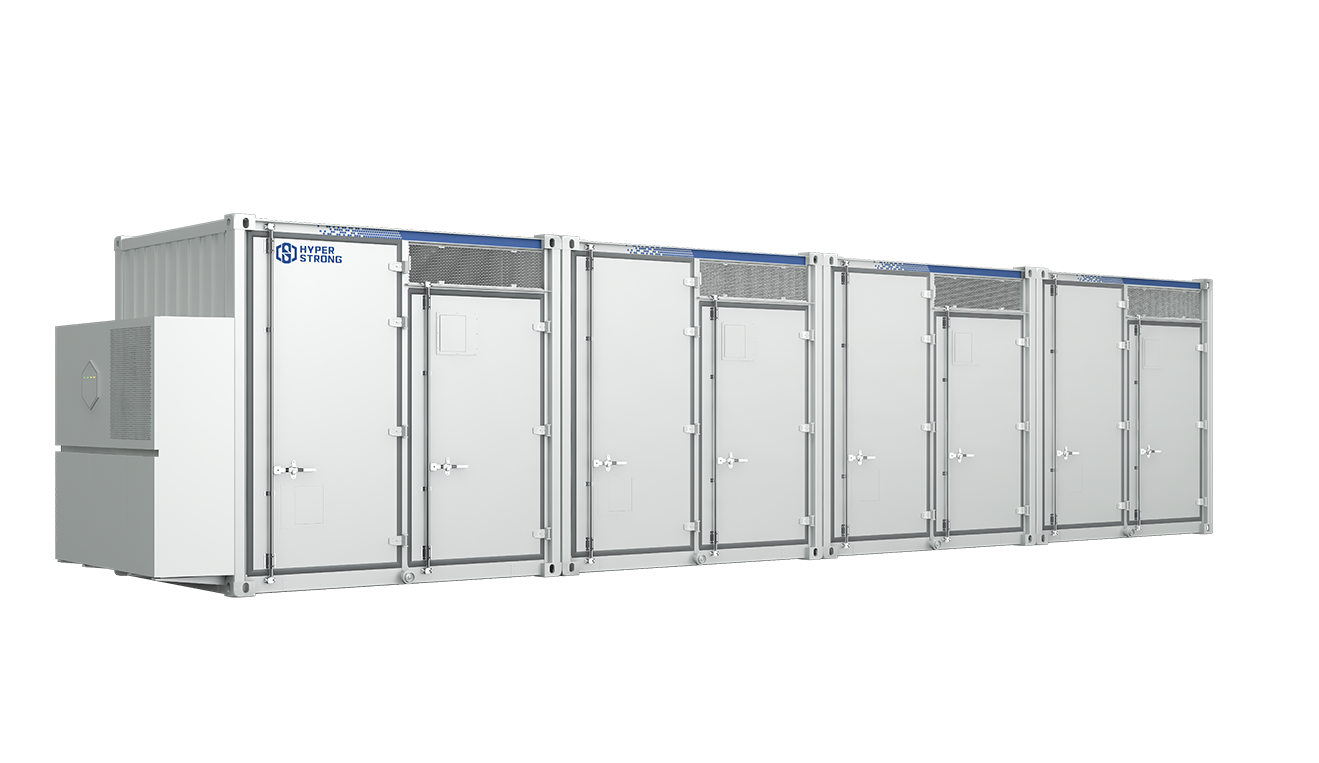
Engineers increasingly favor modular, containerized hardware designs that simplify the deployment process for diverse site requirements. Standardization allows developers to scale their capacity from small office environments to large manufacturing plants without redesigning their entire electrical architecture. Standardized and pre-engineered systems can reduce site-specific engineering requirements and potentially simplify installation and commissioning. This transition toward plug-and-play hardware reduces onsite installation labor and minimizes site-specific engineering overhead.
Efficient deployment requires hardware that balances safety with high power density for various applications. They focus on manufacturing highly resilient components that withstand the rigorous duty cycles typical of industrial facilities. Their modular design philosophy allows for easier field maintenance and component upgrades as site requirements grow or change over time. By reducing the reliance on custom onsite work, they help project managers deliver consistent results while maintaining a smaller physical footprint.
Expansion of VPP Participation
Virtual power plants provide a pathway for decentralized energy assets to act as a single, controllable unit for grid management entities. Commercial facility operators now bundle their storage capacity with nearby sites to provide services that were previously reserved for utility-scale generators. This aggregation creates new revenue streams for small and medium enterprises that lack the scale to enter wholesale power markets individually. Participation in these networks improves grid-wide reliability while providing significant direct payments to site owners.
Effective participation in these virtual networks demands hardware that supports rapid communication and sub-second grid signal response. This requirement pushes facility managers to adopt equipment capable of sustained high-frequency performance without suffering rapid degradation. Reliable hardware ensures that these assets remain available during the critical intervals when grid operators call for support. When systems perform correctly under these conditions, they demonstrate the value of distributed storage as a primary tool for broader regional energy resilience.
Focus on Long-Term Safety and Thermal Management
With distributed batteries located closer to occupied commercial buildings, thermal safety remains a non-negotiable operational priority. Industry stakeholders emphasize advanced monitoring and multi-layer cooling systems to prevent cell-level incidents from escalating. Modern standards focus on preventing the propagation of thermal events by utilizing intelligent sensors that isolate individual modules. These safety-first configurations simplify the permitting process with local fire departments and satisfy the stringent requirements set by corporate insurance underwriters for onsite equipment.
HyperStrong provides C&I energy storage solutions designed with safety and operational reliability in mind. Their systems can be configured to meet the operational requirements of different commercial and industrial sites. This vigilance protects the facility from operational risk, ensures business continuity, and provides long-term peace of mind for site managers and building owners across the globe.
Circular Economy and Lifecycle Sustainability
Environmental compliance extends beyond the initial installation phase to the eventual decommissioning of power hardware. Developers now prioritize supply chain transparency, ensuring that materials are sourced responsibly and can be recycled efficiently at the end of the system’s life. Corporate sustainability goals require detailed reporting on the carbon intensity of manufacturing processes and the recyclability of components. These factors influence procurement decisions as firms move to ensure their infrastructure aligns with their broader ESG commitments.
Manufacturers now adopt practices that facilitate easier material recovery, reducing the environmental impact of decommissioned commercial battery storage system units. This commitment to circularity is not just an environmental choice but a financial one, as it secures future material access and satisfies increasing regulatory scrutiny. Tracking material composition and lifecycle information can help developers document environmental performance and support sustainability reporting where required by relevant financing frameworks.
Conclusion
The market for distributed energy infrastructure undergoes a permanent shift toward high-performance, intelligent, and sustainable hardware configurations. As businesses integrate sophisticated c&i energy storage into their operations, they secure a competitive advantage through lower utility bills and improved energy reliability. Successful project execution requires a focus on AI-driven software, modular hardware, and strict adherence to safety standards. By addressing these trends, site operators effectively mitigate their energy risks and contribute to the stability of the modern power network.

Dilawar Mughal is an accomplished author with a passion for storytelling. His works span various genres, from thrilling mysteries to heartfelt romance novels. With a keen eye for detail and a knack for character development, Sana Fatima weaves engaging narratives that captivate readers and transport them to new worlds.