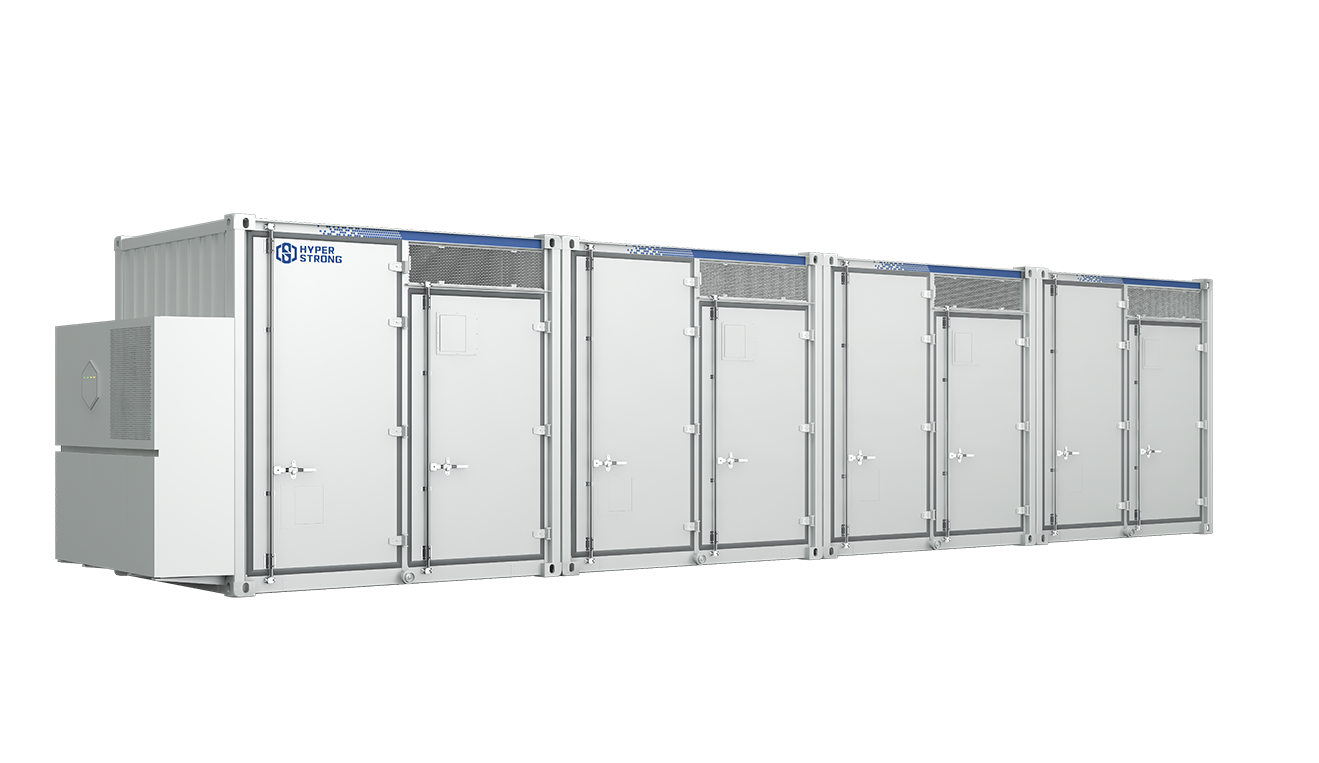




A residential energy storage system can help households make better use of solar generation, manage electricity consumption, and maintain backup power when needed. However, reliable performance depends on more than the initial installation. Regular inspection, proper operating conditions, software management, and timely maintenance can help preserve battery performance and extend the useful life of a residential ESS.
Keep the Battery in a Suitable Environment
Temperature directly affects battery performance and aging. Install residential ESS equipment under the manufacturer’s recommended conditions. Keep the area dry, clean, and ventilated, and avoid heat sources, flooding, dust, and moisture. Do not block ventilation openings or cooling and heating components, as proper airflow helps reduce system stress.
Monitor Battery Temperature and Operating Conditions
Temperature monitoring helps identify potential operating issues. If the system reports repeated temperature abnormalities, check for poor ventilation, environmental problems, or equipment faults. Avoid exceeding rated charge and discharge limits, and follow the manufacturer’s recommended voltage, current, and temperature ranges to support safe battery operation.
Check the State of Charge Regularly
The state of charge, or SOC, indicates how much usable energy remains in the battery. Maintaining the battery within its recommended SOC range can help support consistent performance.
Users should follow the operating guidance provided for their specific system rather than assuming that keeping a battery at 100% continuously is always beneficial. Similarly, repeatedly allowing the battery to reach very low SOC may not be appropriate for every application.
For households using solar generation, energy management settings can often be adjusted according to consumption patterns. A system may prioritize solar self-consumption, backup reserves, or other operating objectives depending on household requirements.
Inspect Connections and Equipment
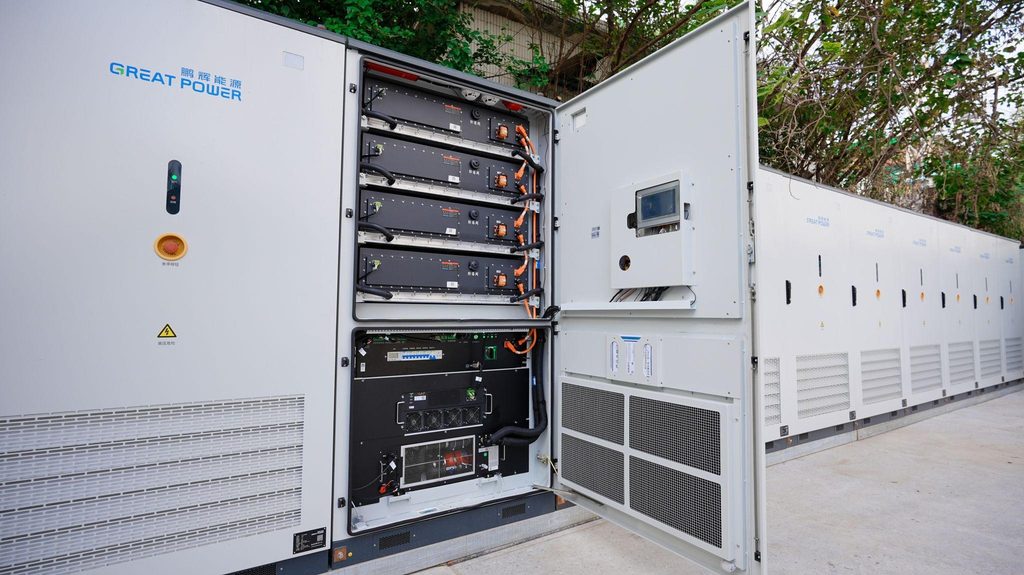
Regularly inspect the ESS enclosure, cables, connectors, and surrounding area for damage, odors, corrosion, moisture, or other abnormalities. Never open battery modules or repair internal components yourself, as high-voltage systems can pose serious hazards. Qualified technicians should handle internal inspections, testing, repairs, and persistent alarm issues.
Keep Firmware and Energy Management Software Updated
Software plays an increasingly important role in residential energy storage. Battery management systems, inverters, energy management platforms, and monitoring applications can use software to control charging, discharging, protection, and system communication.
Check whether firmware updates are available through the authorized installer or manufacturer. Updates may improve compatibility, control functions, monitoring, or system stability.
However, homeowners should not install unofficial firmware or make advanced configuration changes without understanding the consequences. Incorrect settings can affect battery operation and potentially invalidate service or warranty conditions.
Review System Performance Over Time
Routine performance tracking can reveal gradual changes before they become serious problems. Monitor available capacity, charging and discharging behavior, energy throughput, system efficiency, and recurring alarms where these data are available.
A noticeable reduction in usable energy does not necessarily mean that the battery has failed. Capacity naturally changes with operating conditions, usage patterns, temperature, and aging. The important point is to identify unexpected changes and compare them with the manufacturer’s specifications.
For installers and service providers, historical operating data can also support preventive maintenance. Trend analysis may help identify abnormal behavior before it causes an operational interruption.
Maintain a Clear Area Around the Residential ESS
The battery installation area should remain accessible for inspection and servicing. Do not store combustible materials, household chemicals, tools, or unrelated equipment directly around the system.
Keep the enclosure and nearby surfaces free from excessive dust. If cleaning is necessary, follow the manufacturer’s instructions and avoid introducing water into electrical components.
Homeowners should also ensure that warning labels, system identification information, and emergency instructions remain visible. These details can help technicians respond efficiently if an issue occurs.
Choose a Reliable Battery Supplier and Service Partner
Maintenance begins with selecting equipment from a supplier capable of supporting the system over its expected service period. A reliable manufacturer should provide appropriate documentation, technical specifications, certifications, and service support.
The Great Power company offers energy storage products for residential, commercial and industrial, and utility-scale applications. Its portfolio includes energy storage cells, packs, racks, cabinets, and containerized systems, giving project partners options across different storage configurations. The company states that its ESS products are deployed in more than 50 countries or regions.
Its residential-focused battery technologies include large cylindrical HOME series batteries and pouch cells. The company describes its HOME series as suitable for residential energy storage, while its pouch cells are designed with adaptability and scalability for residential storage applications.
Follow the Manufacturer’s Maintenance Schedule
Different battery systems have different maintenance requirements. Therefore, homeowners should prioritize the installation manual, maintenance documentation, and service recommendations supplied for their specific model.
Keep records of inspections, alarms, firmware updates, service visits, and unusual operating events. These records can help technicians diagnose problems more efficiently and provide a useful history when warranty or service questions arise.
A well-maintained residential ESS should be treated as an integrated electrical system rather than simply a battery. Environmental control, monitoring, software management, physical inspection, and professional servicing all contribute to dependable operation.
Build a Proactive Maintenance Routine
The best approach is to combine daily monitoring with periodic professional inspection. Homeowners can monitor system status, keep the installation area clear, and respond promptly to warnings. Qualified service personnel can handle electrical inspections, diagnostics, firmware procedures, and other technical work.
The Great Power company emphasizes quality assurance across its energy storage portfolio, with its website listing certifications and standards including IEC 62619, UL 1973, UL 9540A, UL 1642, UN 38.3, and other qualifications.
Ultimately, maintaining a residential ESS is about controlling operating conditions and identifying problems early. With proper installation, routine monitoring, appropriate environmental conditions, and professional maintenance, homeowners can support stable energy storage performance while getting greater long-term value from their system.

Dilawar Mughal is an accomplished author with a passion for storytelling. His works span various genres, from thrilling mysteries to heartfelt romance novels. With a keen eye for detail and a knack for character development, Sana Fatima weaves engaging narratives that captivate readers and transport them to new worlds.