
Molecular parameters dictate how effectively diagnostic platforms identify target proteins in low-concentration samples. Analytical sensitivity remains a foundational pillar determining whether trace biomarker levels are successfully captured during screening. Laboratories evaluating performance metrics look closely at threshold concentrations defined by manufacturer specifications.
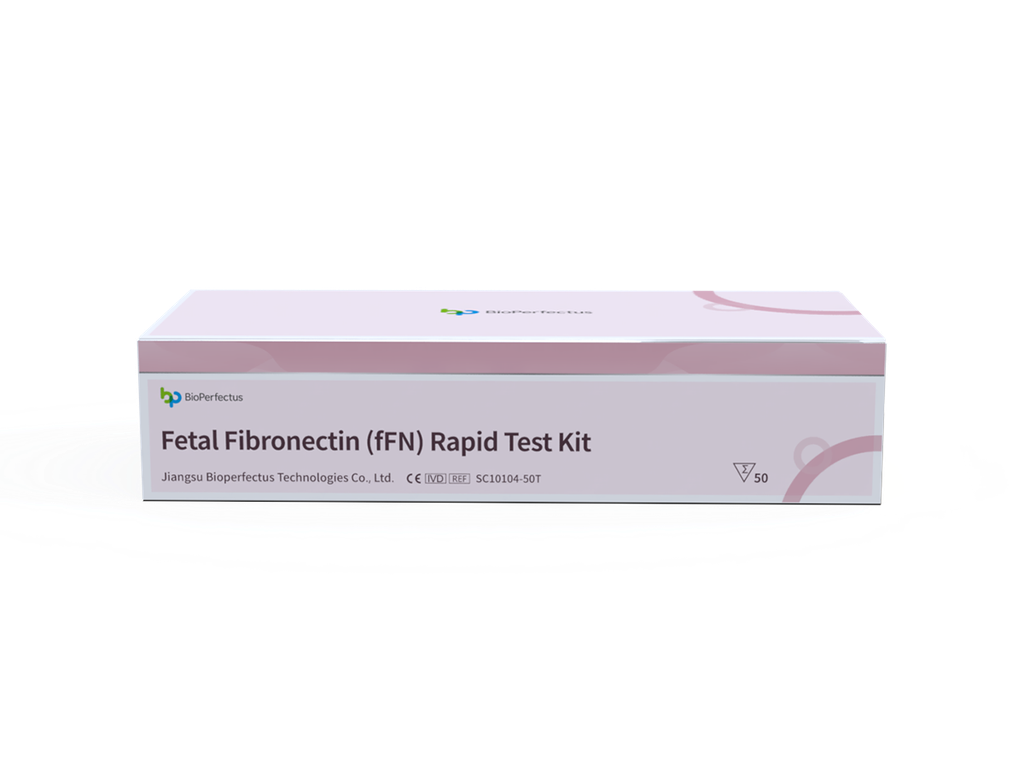
Establishing rigorous detection baselines ensures that healthcare teams receive dependable data during patient evaluations. Technical specifications for the Fetal Fibronectin (fFN) Rapid Test Kit indicate a limit of detection at or below fifty nanograms per milliliter. Such precise sensitivity allows clinical personnel to identify protein presence reliably without encountering excessive background noise or false signals.
Proper sampling techniques represent a critical variable influencing diagnostic outcomes across obstetric care environments. Vaginal secretion collection requires strict adherence to standardized protocols to prevent sample degradation or contamination. Technicians must ensure that collection swabs capture sufficient biological material without introducing extraneous substances that could inhibit membrane-based reactions.
Biological variability among patients introduces distinct challenges that routine diagnostic procedures must accommodate safely. Gestational age and local cervical changes alter fluid composition, requiring assays to maintain stability across diverse physiological states. Diagnostic manufacturers design modern testing tools to withstand minor variations in specimen consistency while preserving reliable qualitative outcomes.
Evaluating Analytical Sensitivity and Detection Limits
Membrane-based immunochromatographic assays rely on precise capillary action to transport target analytes across reactive test strips. Unforeseen chemical interferences from lubricants, disinfectants, or biological fluids can disrupt binding kinetics if pre-analytical guidelines are ignored. Manufacturers such as BioPerfectus engineer robust reaction zones designed to minimize non-specific binding and cross-reactivity risks.
Controlled reaction environments safeguard analytical reliability by preventing premature reagent degradation during storage and handling stages. Transport temperatures and shelf-life parameters directly affect strip reactivity upon patient sample application. Facilities must monitor storage conditions closely, maintaining ambient ranges between four and thirty degrees Celsius to protect kit integrity.
Specimen Integrity and Vaginal Secretion Collection Variables
Statistical validation relies heavily on comprehensive clinical trials measuring positive and negative agreement percentages against established gold standards. High negative agreement values reassure clinicians when ruling out immediate risks for preterm delivery among symptomatic women. Documented performance metrics for a qualitative fetal fibronectin test kit demonstrate robust diagnostic reliability during patient evaluation workflows.
Clinical studies show exceptional positive agreement figures reaching ninety-seven percent, reflecting dependable detection capabilities under routine hospital conditions. Conversely, negative agreement parameters hovering around ninety-three percent confirm strong exclusionary power for non-risk cohorts. Interpreting these statistical benchmarks accurately helps medical directors establish appropriate departmental protocols for obstetric triage.
Mitigating Interferences in Immunochromatographic Workflows
Rapid turnaround times fundamentally alter emergency obstetric management by providing actionable data within minutes rather than hours. Clinicians facing urgent decisions regarding preterm labor symptoms require immediate diagnostic answers to guide hospitalization choices. Utilizing an advanced fetal fibronectin test kit delivers qualitative results within a convenient fifteen-minute window.
Immediate test completion reduces patient anxiety and prevents unnecessary interventions by clarifying true risk status swiftly. Emergency department staff benefit from streamlined workflows that integrate seamlessly into busy clinical shifts without demanding complex instrumentation. Operational efficiency ultimately enhances overall hospital resource allocation while supporting patient safety initiatives.
Interpreting Positive and Negative Agreement Metrics
Built-in quality control lines serve as an essential safeguard ensuring that every individual test strip functions correctly during patient testing. Internal procedural controls verify proper fluid migration and reagent reactivity, eliminating guesswork for attending nurses and laboratory technicians. Companies like BioPerfectus incorporate these multi-layered verification features into their diagnostic products.
Laboratory accreditation standards mandate rigorous quality assurance practices to maintain high-level diagnostic confidence across testing departments. Technicians review control line visibility rigorously before reporting any clinical findings to attending physicians. Maintaining strict adherence to quality protocols guarantees optimal ffn test accuracy throughout daily hospital operations.
Optimizing Time-Sensitive Obstetric Decision Pathways
Continuous staff training reinforces proper procedural execution, minimizing operator-dependent errors that might otherwise compromise analytical outcomes. Hospital administrators invest heavily in comprehensive training programs covering specimen collection, sample extraction, and result interpretation steps. Well-trained personnel consistently achieve superior performance metrics compared to decentralized or untrained testing sites.
Diagnostic stewardship programs evaluate test utilization patterns to ensure assays are administered strictly according to approved clinical indications. Restricting screening applications to appropriate gestational age windows prevents inappropriate test ordering and preserves healthcare budgets. Strategic resource management ensures that high-value diagnostic tools are reserved for high-risk patient evaluations.
Standardization and Quality Control Implementation
Comprehensive clinical evaluations combine biomarker findings with patient history, physical examinations, and ultrasound measurements for holistic risk assessment. Relying on a single diagnostic parameter without supporting clinical context can lead to misinterpretation of true patient status. Multidisciplinary care teams synthesize all available data streams to formulate precise management plans.
Advanced diagnostic solutions developed by BioPerfectus empower obstetric teams to navigate complex clinical scenarios with confidence and precision. Ongoing technological refinements continue to elevate ffn test accuracy, bridging the gap between rapid screening and molecular-level reliability. Future developments will further streamline prenatal care protocols worldwide.
Supplier Partnerships and Long-Term Prenatal Screening Success
Healthcare institutions prioritizing maternal-infant health rely heavily on robust supplier partnerships to maintain consistent inventory and technical support. Reliable supply chains ensure uninterrupted clinical testing availability during high-demand periods across regional medical centers. Manufacturers committed to rigorous quality control standards provide the backbone for dependable obstetric diagnostics.Ensuring long-term success in prenatal screening requires continuous collaboration between clinical researchers, laboratory professionals, and assay developers. As medical science uncovers new insights into preterm birth mechanisms, testing methodologies will adapt to meet emerging clinical demands. The final validation of any fetal fibronectin test kit ultimately rests on its real-world clinical utility and patient impact while preserving ffn test accuracy.

Dilawar Mughal is an accomplished author with a passion for storytelling. His works span various genres, from thrilling mysteries to heartfelt romance novels. With a keen eye for detail and a knack for character development, Sana Fatima weaves engaging narratives that captivate readers and transport them to new worlds.